Verdict
Buy itA tense, endlessly replayable co-op spin on the Elden Ring formula that trades narrative depth for pure mechanical thrills — best enjoyed with a fixed squad rather than solo or with randoms.
We went into Elden Ring: Nightreign expecting a victory lap. What we got instead was FromSoftware taking its own formula apart and rebuilding it as something closer to a battle royale crossed with a raid boss rush — and, against the odds, it works.
What Nightreign actually is
Forget the sprawling Lands Between. Nightreign drops you and two teammates into Limveld, a condensed map stitched together from familiar Elden Ring landmarks, for a single expedition lasting roughly 45 minutes. Across three in-game days, you scavenge weapons, runes, and relics, level up through combat, and survive escalating boss encounters that cap off each day. Miss the timer and a closing storm forces a fight whether you're ready or not.
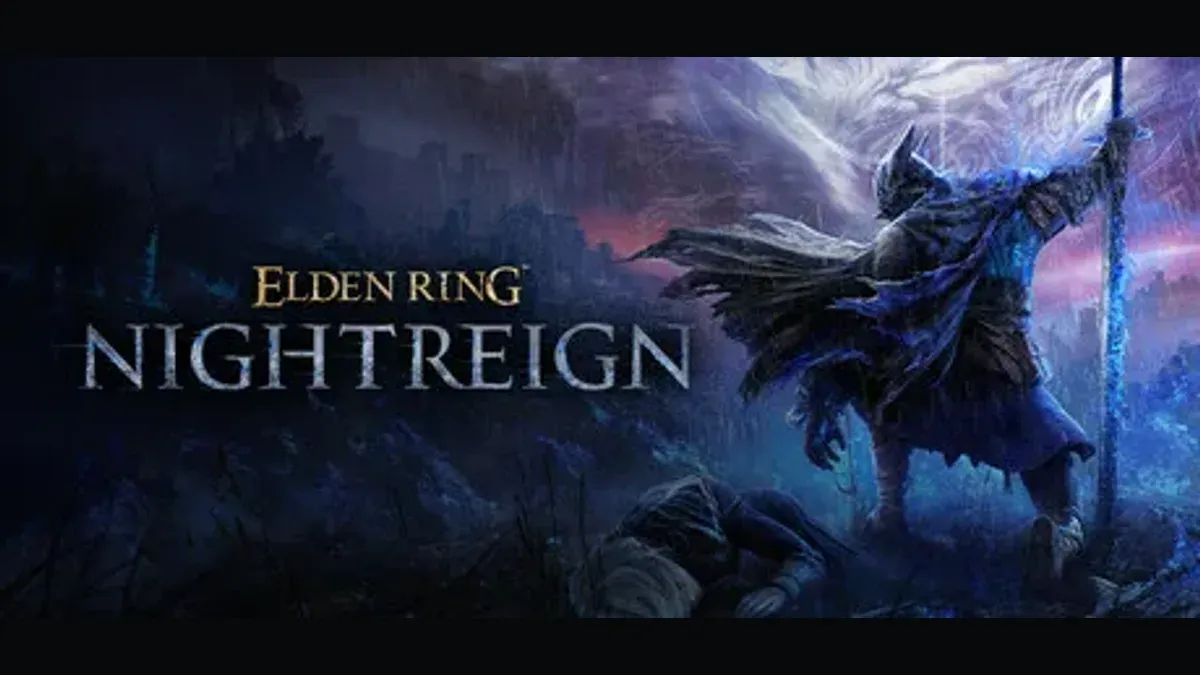
 Image credit: Bandai Namco (from official press kit, via Wikimedia Commons) - verify rights before publication
It's an aggressive reformatting of everything Elden Ring trained us to expect. There's no slow-burn exploration, no hour-long detours to find a hidden catacomb. Every second counts, and that pressure changes how the combat feels — more improvisational, more reactive, less about methodical boss-pattern memorization and more about squad triage under a ticking clock.
The experience: fast, brutal, and better with friends
The eight playable Nightfarers are the game's clearest success. Each one — from the heavy-hitting Wylder to the ranged Duchess — plays distinctly enough that swapping characters between runs genuinely changes your approach to a fight, not just your numbers. Builds come together fast thanks to the compressed loot pool, and that speed is addictive: a bad run costs you 45 minutes, not the multi-hour sunk cost of a traditional Soulslike playthrough, so you're back in the queue almost immediately.
The Nightlord boss fights are where the game earns its price of admission. These are spectacle encounters, clearly designed with three coordinated players in mind, and when your squad is communicating and covering each other's revives, they're some of the most exciting boss fights FromSoftware has shipped. Reviewers across the board have landed in similar territory: it's a well-executed roguelite that melds cleanly with Elden Ring's DNA while carving out its own rapid, high-stakes identity.
Where it stumbles
The catch is that Nightreign was clearly built around a coordinated three-person team, and it shows the moment that assumption breaks down. Solo play is possible but noticeably harder and less satisfying, since several Nightlord attack patterns are tuned around split aggro. Matchmaking with randoms is the bigger issue: without voice comms or a shared understanding of objectives, runs can unravel fast, turning a tense boss fight into a chaotic wipe. It's still fun in that scenario, just a different, spikier kind of fun than the game clearly wants you to have.
Narratively, Nightreign is also a much smaller proposition than its predecessor. Each Nightfarer has a short personal questline, but there's no overarching story pulling you through Limveld the way the base game's lore did. If you came to Elden Ring for the mythology and environmental storytelling, that's largely absent here — this is a mechanics-first experience.
Who it's for
Nightreign is an easy recommend if you have two friends who also loved Elden Ring and want something you can drop into for a single run rather than committing to a full campaign session. It's a much harder sell solo, and a genuine gamble if your only option is public matchmaking. Think of it less as "Elden Ring 2" and more as a standalone arcade cabinet built from Elden Ring's parts — thrilling in short, high-intensity bursts, but not trying to replace the original's slow-burn adventure.
The verdict
FromSoftware took a real risk reshaping its most acclaimed game into a squad-based roguelite, and the gamble mostly pays off. Nightreign nails the tension and payoff of a great boss rush while keeping runs short enough to always want one more attempt. It loses points for leaning so heavily on having a reliable co-op group and for trading away the series' trademark world-building, but as a spin-off experiment, it's one of the smartest FromSoftware has attempted. We're giving Elden Ring: Nightreign an 8.0/10 — essential for a squad, optional if you're going it alone.
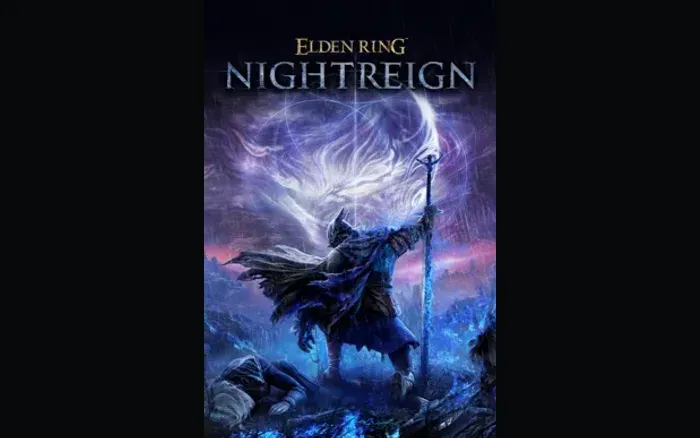
 Image credit: Bandai Namco / FromSoftware (official cover art, via Wikipedia) - verify rights before publication
Sources:
Pros
- Ruthlessly efficient 45-minute run structure that respects your time
- Eight distinct Nightfarers with genuinely different playstyles and builds
- Spectacular, unpredictable Nightlord boss fights that force real teamwork
- That unmistakable Elden Ring feel of weight, punishment, and payoff, distilled
Cons
- Matchmaking with strangers can be a coin flip when coordination breaks down
- Thin narrative framing compared to the base game's world-building

Elena has reviewed AAA releases for close to a decade, with a rule she never breaks: no score until the credits roll. She has covered everything from sprawling open-world epics to tight roguelike runs, and she is known for pros/cons lists that actually help you decide whether to buy. Off the clock she is replaying old JRPGs on hard mode and arguing about ending twists.


Comments
No comments yet — be the first to share your thoughts.