
Konami built Metal Gear Solid Delta: Snake Eater on a modernized version of the same tech behind Metal Gear Solid V, but there's a catch that trips up a lot of people skimming the requirements: ray-traced lighting isn't an optional toggle here, it's on by default. That single decision pushes the GPU floor noticeably higher than you'd expect for a remake of a 2004 stealth game, and it's the reason a lot of older cards that "should" handle this fine actually can't.
The official numbers
Konami's published requirements are straightforward, but the details matter more than the headline specs:
- Minimum: Intel Core i5-8600 / AMD Ryzen 5 3600, GeForce RTX 2060 Super, 16GB RAM, 100GB SSD storage. Note the GPU floor — an RTX 2060 Super, not a base 2060 — because that's the minimum card Konami found capable of running the baked-in ray tracing at all.
- Recommended: Ryzen 5 3600 or Core i7-8700K on the CPU side (barely moves from minimum), but the GPU recommendation jumps to an RTX 3080. That gap between CPU and GPU asks tells you exactly where this game spends its performance budget — almost entirely on the rendering side, not the simulation side.
- Any GPU below RTX 20-series or RX 6000-series simply isn't supported, full stop, because there's no fallback rasterized lighting path.
An SSD is effectively mandatory too — Konami "highly recommends" one on top of the 100GB requirement, and jungle streaming with dense foliage and camouflage-index lighting checks will stutter hard on a mechanical drive.
Why the jungle setting is harder to render than it looks
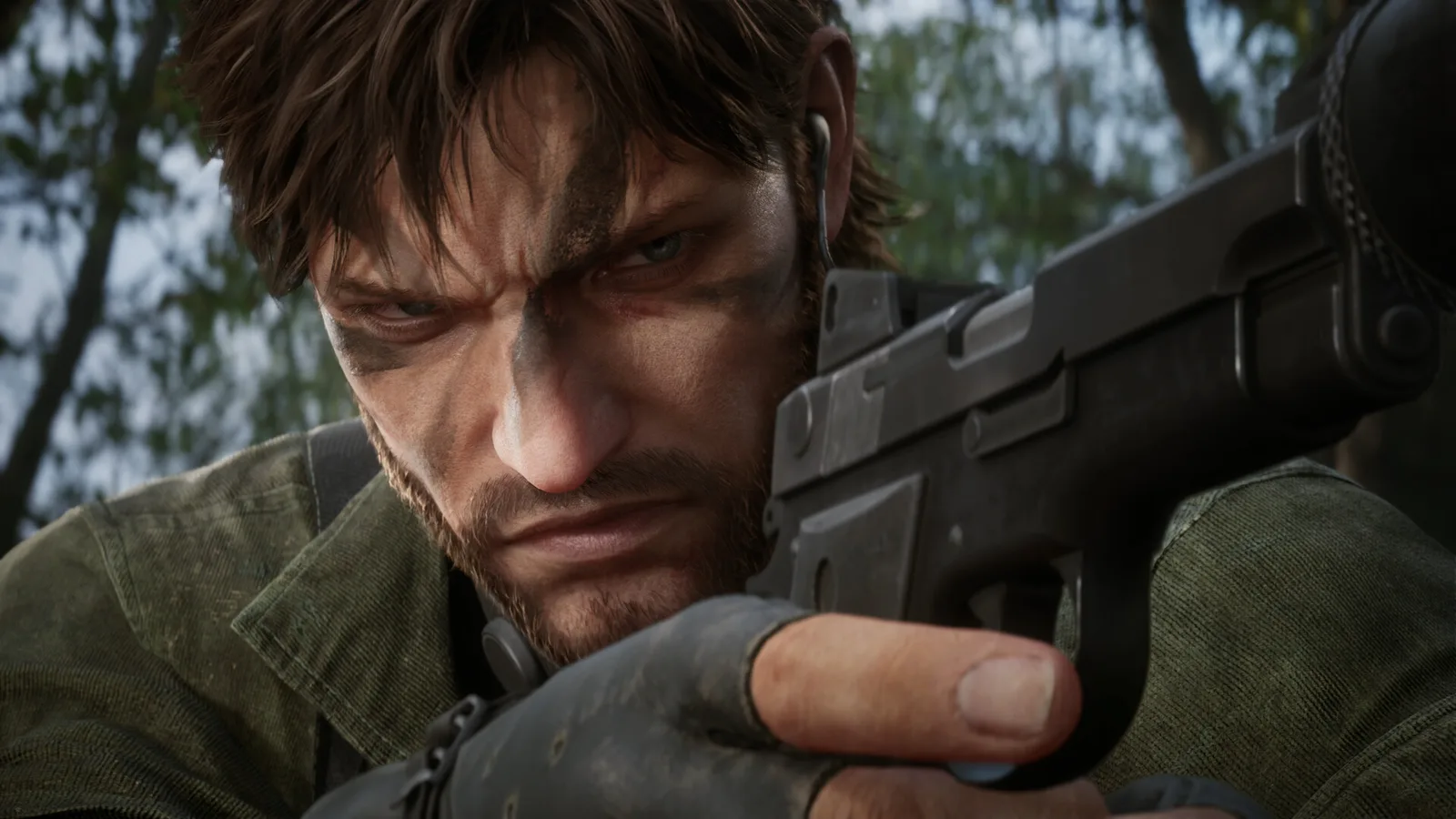 Image credit: Konami (Steam store screenshot assets) - verify rights before publication
It's easy to assume a jungle is "just foliage" and therefore lighter to render than an urban open world, but the opposite is true for this remake. Snake Eater's camouflage system is built around real-time light and shadow interaction — the game is constantly calculating how ambient light filters through canopy, reflects off water, and falls across your specific camo pattern to determine detection odds. That's exactly the kind of scene ray tracing is good at and rasterization fakes badly, which is almost certainly why Konami didn't ship a non-RT fallback: the gameplay mechanic and the rendering technique are tied together.
Practically, that means dense jungle sections with heavy tree cover and water are your worst-case performance zones, not your best-case ones. If you're benchmarking your own rig, don't judge it by the opening cutscene — drop into a swamp or waterfall area and watch your frame time there.
What to target for each resolution tier
- 1080p / 60fps: RTX 3060 Ti or better with DLSS/FSR set to Balanced will get you a stable experience on high settings. This is the realistic sweet spot for most people upgrading specifically for this game.
- 1440p / 60fps: RTX 4070-class card minimum, ideally paired with a 6-core CPU from the last four years. The CPU requirement genuinely doesn't scale much beyond minimum, so don't overspend there.
- 4K / 60fps with ray tracing maxed: RTX 4080 or newer. This is a GPU-bound title through and through — a top-tier CPU paired with a mid-range GPU will bottleneck hard on the RT lighting, while the reverse pairing runs fine.
Verdict
Metal Gear Solid Delta: Snake Eater is a rare case where the CPU requirement barely matters and the GPU tier is everything, because Konami tied its signature camouflage mechanic directly to real-time ray tracing with no fallback path. If you're planning hardware around this game specifically, put your budget into the GPU: an RTX 3080-or-better card gets you the experience Konami actually designed, while anything below RTX 2060 Super territory won't run it at all.
Sources: esports.gg, KitGuru, TechRadar, PCGamesN.

Sofia benchmarks the hardware so you do not have to guess. With a background in PC building and a rig full of test GPUs, she runs every card and CPU through the same repeatable suite before publishing a verdict — real frame-time data, no marketing slide numbers. She has built more test benches than she can count and still gets excited unboxing a new GPU.


Comments
No comments yet — be the first to share your thoughts.