Verdict
Buy itA faithful, gorgeous, and mechanically smarter resurrection of a genre landmark that trusts its 20-year-old bones instead of reinventing them — the safest possible remake, executed close to perfection.
Remaking a game as beloved as Metal Gear Solid 3: Snake Eater is a thankless job. Change too much and you enrage the faithful; change too little and critics ask why the remake exists at all. Konami and Virtuos have threaded that needle by doing something almost radical in its restraint: they rebuilt the 2004 original nearly verbatim, polished it with Unreal Engine 5, and modernized only the parts that genuinely needed it. After several days crawling through the jungles of Tselinoyarsk again, I can say the gamble mostly pays off.
The essentials: a jungle reborn, not reinvented
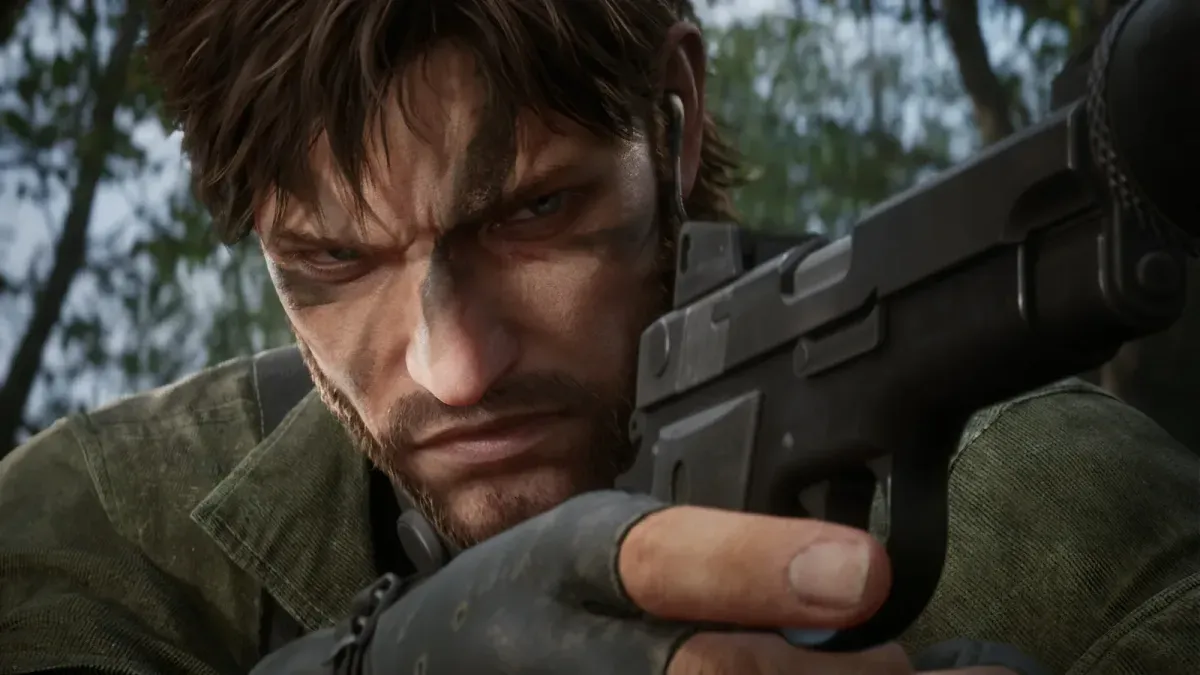
Delta keeps Naked Snake's Cold War-era mission into Soviet territory intact beat for beat, cutscene for cutscene, boss fight for boss fight. What's changed is the shell around it: dense, believable foliage, a much-improved lighting model, and character models detailed enough that the campy '60s spy-movie tone finally reads as intentional rather than dated. The jungle itself does a lot of heavy lifting — snakes rustle through grass, rain slicks down leaves, and the sound design pulls you into a claustrophobic ecosystem that the PS2 original could only gesture at.
Under the hood, the biggest functional change is the camera. Snake Eater's original fixed, top-down-leaning viewpoint is gone, replaced by the modern over-the-shoulder third-person aiming popularized by Metal Gear Solid V. It's an easy call that pays off constantly: crawling through grass, lining up a tranquilizer headshot, or threading a patrol now feels responsive instead of fiddly. Konami also ported over the CQC (close-quarters combat) refinements, tighter crouch-walking, and quality-of-life inventory management, all of which soften the rougher edges of 2004-era design without touching the DNA of what made the game special.
The experience: survival still bites
What struck me most on replay is how well the survival-horror-adjacent systems still function two decades on. Camouflage index, stamina, healing wounds by hand, hunting and eating local wildlife — these systems demand a slower, more attentive style of play than most modern stealth games, and Delta doesn't rush to modernize them away. There's real tension in deciding whether to risk a loud kill versus crawling an extra ten minutes around a checkpoint, and the boss encounters — The End, The Fear, The Sorrow — remain some of the most creative set-pieces stealth gaming has produced.
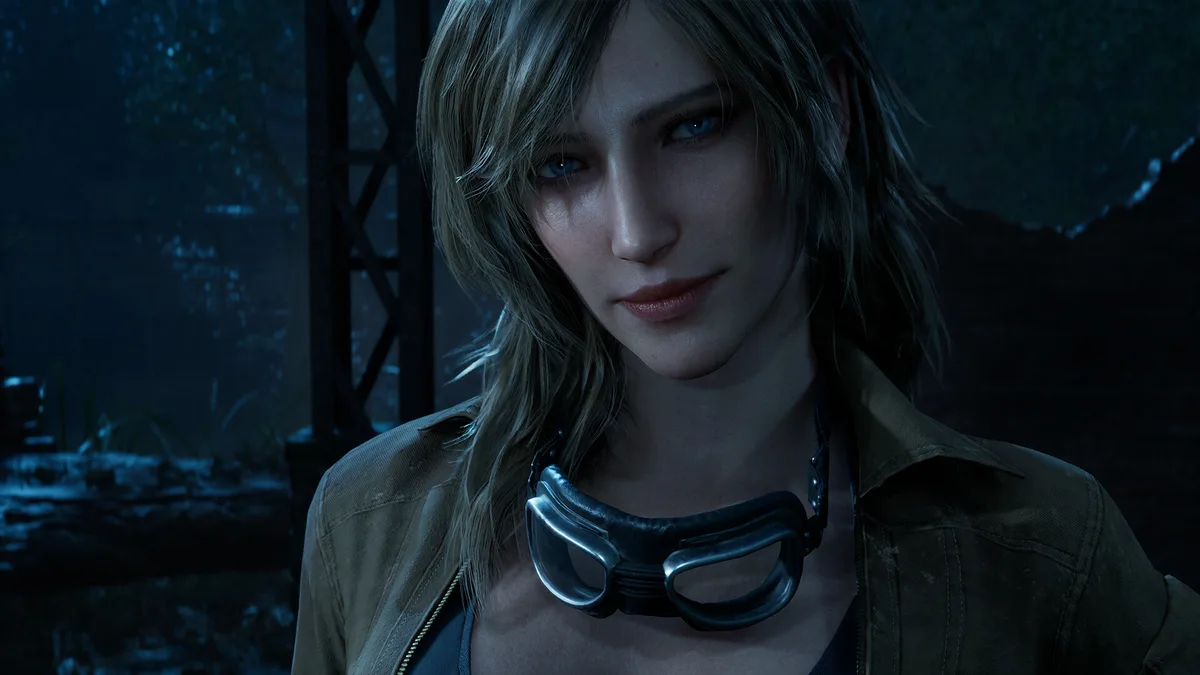 Image credit: Konami (Steam store screenshot assets)
The voice work, largely re-recorded and re-directed with the returning cast including David Hayter, benefits enormously from the new facial capture. Scenes that were charmingly stiff in 2004 — The Boss's final confrontation especially — now land with a dramatic heft that makes the remake worth experiencing even for players who've finished the original multiple times.
The limits: a remake that refuses to remake
The flip side of that fidelity is that Delta inherits every one of Snake Eater's structural quirks along with its strengths. Enemy AI still behaves in period-appropriate, sometimes primitive ways; the pacing sags in the same mid-game stretches it always did; and a couple of puzzle sequences (the ladder-climbing marathon, the torture sequence) haven't been touched despite being obvious candidates for trimming. Critics have broadly agreed the game succeeds as "the same great game, rebuilt," but that also means Delta offers almost nothing for anyone hoping for a reimagined structure or new content beyond a few optional modern control schemes.
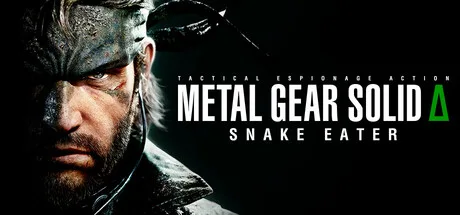 Image credit: Konami (Steam store assets)
Technically, it's also not flawless. Frame pacing hiccups and occasional texture pop-in surface during dense foliage sequences, particularly on base consoles, and a few cutscene transitions stutter noticeably. None of it derails the experience, but it's a reminder this remake, while lavish, wasn't built with unlimited budget or time.
Who is this for?
If you've never played the original Snake Eater, Delta is unambiguously the best way to experience one of the most influential stealth games ever made — its systems have aged with surprising grace, and the new camera removes the single biggest barrier to entry. If you've played the PS2/HD Collection version to death, the calculus is different: you're paying for a gorgeous coat of paint and smarter controls over a story and level design you already know intimately. That's still a worthwhile trade for most series fans, but it's not a must-buy for everyone.
Verdict
Metal Gear Solid Delta: Snake Eater is proof that a remake doesn't need to reinvent a classic to justify its existence — it just needs to understand exactly what made the original work, then get out of the way. Konami mostly does that, delivering the definitive way to experience Snake Eater even if it plays it too safe to feel essential for veterans. 8.4/10.
Pros
- Stunning jungle environments and character models built on Unreal Engine 5
- Modernized third-person camera and gunplay make the original far more approachable
- Survival systems (camo, food, healing) remain a genuinely tense, tactile loop
- David Hayter and the original cast's dialogue lands with fresh emotional weight
Cons
- Level layouts, AI routines, and pacing are unchanged, so old design quirks persist
- Some technical hitching and pop-in undercut the otherwise sharp presentation
- Plays it extremely safe — almost nothing new for series veterans to discover

Elena has reviewed AAA releases for close to a decade, with a rule she never breaks: no score until the credits roll. She has covered everything from sprawling open-world epics to tight roguelike runs, and she is known for pros/cons lists that actually help you decide whether to buy. Off the clock she is replaying old JRPGs on hard mode and arguing about ending twists.


Comments
No comments yet — be the first to share your thoughts.